
Natural disasters can strike with little warning, leaving homeowners facing costly repairs, temporary relocation, and uncertainty about what their insurance policy actually covers. Many people assume their standard homeowners insurance policy protects them from every type of disaster, only to discover after filing a claim that certain events may require separate coverage or additional endorsements. Understanding how home insurance and natural disasters work together can help you avoid unexpected gaps in protection and give you greater peace of mind when severe weather threatens your property.
From hurricanes and windstorms to floods and lightning damage, different disasters are handled differently by insurance companies. Coverage often depends on the specific cause of the damage, your policy limits, and where your home is located. Taking the time to review your policy before disaster strikes can make a major difference when it comes time to recover.
What Standard Home Insurance Typically Covers
Most homeowners insurance policies provide protection for a range of weather-related events and accidental damage. In many cases, standard policies may help cover repairs to your home, detached structures, personal belongings, and even temporary living expenses if your property becomes uninhabitable after a covered loss.
Commonly covered natural disaster-related events may include:
- Wind damage from storms
- Lightning strikes
- Hail damage
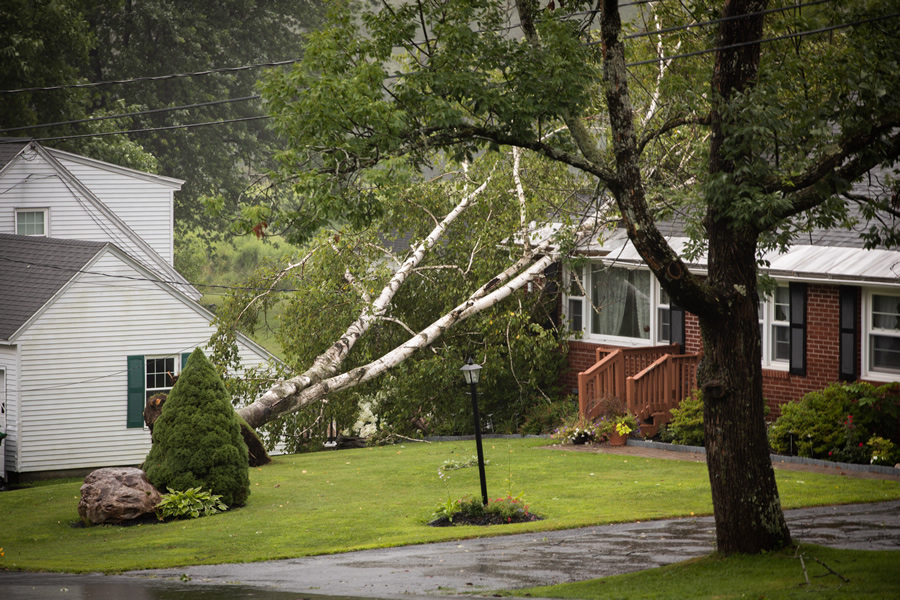
- Damage from fallen trees caused by storms
- Fire damage resulting from lightning or severe weather
- Weight of ice or snow damaging the roof
For example, if a severe thunderstorm causes a tree to crash through your roof, your homeowners insurance policy may help pay for repairs to the structure and damaged belongings inside the home. If lightning causes an electrical fire, your policy may also provide protection for the resulting damage.
Many homeowners also hear the phrase “Act of God” when discussing storm damage and insurance claims. While the term generally refers to unavoidable natural events outside human control, what really matters is whether the specific damage is covered under your homeowners insurance policy. Coverage depends on the cause of the damage and the details of your policy rather than simply labeling an event as an “Act of God.”
Flood Damage Is Usually Not Covered
One of the most common misunderstandings involving home insurance and natural disasters is flood coverage. Standard homeowners insurance policies typically do not cover flood damage. This includes flooding caused by heavy rain, storm surge, overflowing rivers, or rapidly melting snow.
Even a few inches of water entering your home can cause extensive damage to flooring, drywall, furniture, electrical systems, and personal belongings. Unfortunately, many homeowners only realize they lack flood coverage after disaster strikes.
Flood insurance is generally purchased separately through the National Flood Insurance Program (NFIP) or through private insurers. Depending on your location, flood coverage may be highly recommended even if you are not in a designated high-risk flood zone. Flooding can happen almost anywhere, especially during powerful storms or hurricanes.
Homeowners in coastal areas or regions prone to heavy rainfall should strongly consider discussing flood insurance options with their insurance agent to better protect their property.
What About Lightning Damage and Power Surges?
Many homeowners are surprised to learn that damage caused by lightning strikes may be covered under a standard homeowners insurance policy. A nearby lightning strike can sometimes destroy televisions, computers, gaming systems, appliances, and other electronics connected to your home’s electrical system.
Power surges caused by severe storms may fry expensive electronics in seconds. While coverage can vary by policy, homeowners insurance may help cover damaged items if the loss is determined to be caused by a covered event, such as lightning. Keeping receipts or photos of valuable electronics can help simplify the claims process if storm damage occurs.
Hurricanes and Windstorms May Have Separate Deductibles
In states where hurricanes and tropical storms are more common, insurance policies may include separate hurricane or windstorm deductibles. These deductibles often differ from your standard homeowners deductible and may be based on a percentage of your home’s insured value rather than a flat dollar amount.
For example, if your home is insured for $400,000 and your hurricane deductible is 2%, you could be responsible for paying $8,000 out of pocket before insurance coverage begins.
This surprises many homeowners who assume their deductible works the same way for every claim. Understanding your deductible structure before hurricane season begins can help you better prepare financially in the event of a major storm.
Earthquakes and Other Disasters Often Require Additional Coverage
While standard homeowners insurance may cover several common weather events, other natural disasters often require separate policies or endorsements. Earthquakes are one of the biggest examples. Damage caused by earthquakes is generally excluded from standard home insurance policies.
Depending on where you live, additional coverage may also be available for:
- Earthquakes
- Landslides or mudslides
- Sinkholes
- Sewer backup
- Extended water damage protection
Even homeowners outside traditionally high-risk areas may benefit from reviewing optional coverages. Severe weather patterns continue to evolve, and events once considered rare are becoming more common in many parts of the country.
Personal Property Coverage Matters More Than You Think
Natural disasters do not just damage the structure of your home. They can also destroy furniture, electronics, clothing, family keepsakes, appliances, and other valuable belongings inside the property.
Personal property coverage is an important part of homeowners insurance, but coverage limits may apply to certain high-value items such as jewelry, collectibles, artwork, or electronics. Reviewing your personal property coverage and documenting major belongings with photos or receipts can make the claims process much smoother after a disaster.
Many homeowners also underestimate the cost of rebuilding after widespread storm damage. Construction costs, labor shortages, and material price increases can all affect how much it costs to repair or rebuild your home after a natural disaster.
The Importance of Reviewing Your Policy Regularly
One of the best ways to protect yourself from unexpected coverage gaps is by reviewing your homeowners insurance policy regularly with a trusted insurance professional. Life changes, home renovations, rising property values, and changing weather risks can all impact your insurance needs over time.
A policy review may help identify:
- Coverage gaps
- Outdated policy limits
- Missing endorsements
- Flood insurance needs
- Deductible concerns
- Changes in replacement cost values
Many homeowners wait until after a storm to ask questions about their coverage. By then, it may be too late to make important changes.
Personalized Insurance Support Matters
When dealing with home insurance and natural disasters, having access to personalized guidance can make a significant difference. Large call centers and automated systems may leave homeowners frustrated during stressful situations when they need answers quickly.
For more than 35 years, diMonda Insurance has provided personalized insurance solutions for homeowners across New York, Maryland, New Jersey, Vermont, Connecticut, Delaware, Tennessee, Pennsylvania, North Carolina, South Carolina, and Florida. With direct access to your insurance agent and tailored coverage options, you can feel more confident knowing your policy is designed to meet your specific needs.
Whether you are reviewing your current homeowners insurance policy, exploring flood coverage options, or preparing for hurricane season, now is a smart time to schedule a review with an experienced insurance professional who can help you better understand your protection before disaster strikes.
