
Severe weather can arrive quickly and leave homeowners dealing with everything from a few missing shingles to significant damage from wind, hail, lightning, or falling trees. Even a storm that seems relatively minor can cause problems that aren’t immediately visible. Understanding the connection between weather and home insurance claims can help you know what to look for after a storm, when to contact your insurance agent, and what information may be important if you need to file a claim.
Homeowners insurance can provide valuable protection against many types of weather-related damage, but coverage depends on the cause of the damage and the terms of your individual policy. Not every weather event is covered in the same way, and two types of water damage, for example, can be treated very differently by an insurance policy. Knowing what your policy covers before severe weather arrives can help eliminate some of the uncertainty when you need that protection most.
How Wind and Severe Storms Can Affect Your Home
Strong winds and thunderstorms are among the weather events that can cause significant damage to a home. Wind can lift or remove shingles, damage siding, break windows, topple fences, and send branches or trees onto your property. In many cases, homeowners insurance provides coverage for sudden damage caused by wind, although the deductible, coverage limits, and specific terms of your policy will determine how a claim is handled.
After a severe storm, take a look around your property once it is safe to do so. You don’t need to climb onto the roof to inspect it yourself. Missing shingles, pieces of roofing material on the ground, damaged gutters, fallen branches, broken windows, or water stains inside the house can all indicate that further inspection may be necessary. If you suspect damage, contacting your insurance agent can help you determine what steps to take next.
Lightning Can Cause More Than Visible Damage
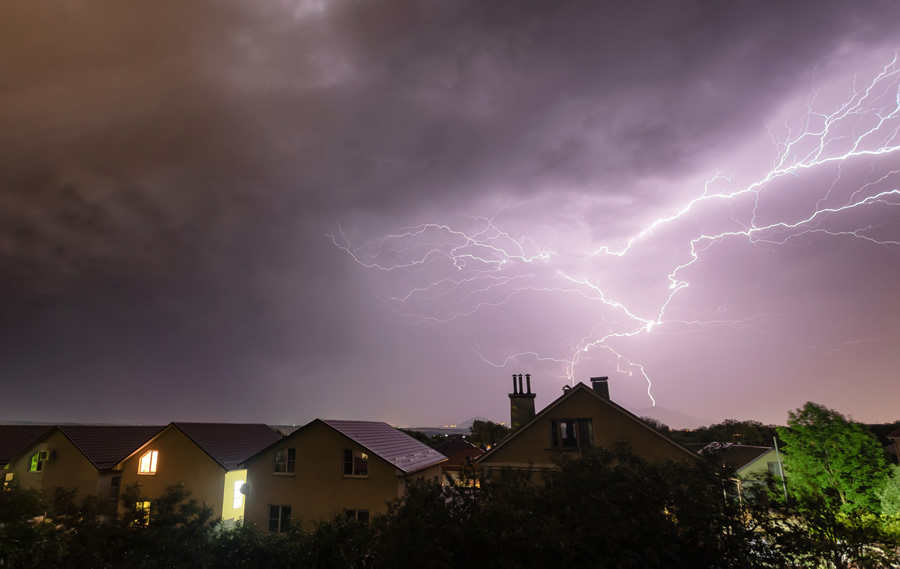
A lightning strike doesn’t have to leave a dramatic mark on the side of your house to cause an expensive problem. Lightning and resulting power surges can damage televisions, computers, appliances, electrical systems, HVAC equipment, and other electronics throughout a home. A direct strike can also cause structural damage or start a fire. Sometimes the first indication of a problem is simply discovering that a television, computer, appliance, or other electronic device no longer works after a storm.
Homeowners insurance commonly provides protection for damage caused by lightning, subject to the terms and limits of the policy. Because electrical damage isn’t always obvious immediately after a storm, pay attention to outlets, appliances, heating and cooling equipment, and electronics that suddenly stop working or behave differently. If you believe lightning may have damaged your home or belongings, document what happened and contact your insurance agent before discarding damaged items or arranging major repairs.
Hail Can Damage Roofs, Siding, and More
Hailstorms can be brief, but the damage they leave behind can be substantial. Roofing materials are particularly vulnerable, but hail can also damage siding, gutters, skylights, windows, outdoor equipment, and other parts of the property. The extent of the damage often depends on the size of the hail, wind speed, the age and condition of the home’s exterior materials, and the severity of the storm.
Hail damage may be covered by homeowners insurance, but policy terms and deductibles can vary. Damage to a roof can also be affected by factors such as its age and condition. If a hailstorm has moved through your neighborhood and you suspect your property was affected, having the damage properly evaluated can help you determine whether repairs are needed and whether an insurance claim may be appropriate.
Heavy Rain and Water Damage Can Be More Complicated
Water damage is one of the areas where understanding your homeowners policy becomes particularly important. If a storm damages your roof and rain enters the house through the opening, for example, the resulting interior damage may be covered because the water entered as a result of a covered event. Other types of sudden and accidental water damage may also be covered depending on the circumstances and the policy.
Flooding is different. Standard homeowners insurance generally does not cover damage caused by rising surface water or flooding from an overflowing body of water. Flood insurance is separate coverage. The distinction between rain entering through storm damage and water rising from the ground can make an enormous difference when a claim is evaluated, which is why it is important to understand the coverage you have rather than assuming all storm-related water damage is treated the same way.
Winter Weather Creates Its Own Insurance Risks
Although thunderstorms, wind, and lightning often come to mind when thinking about severe weather, winter conditions can cause their own problems. Heavy snow and ice can place significant weight on a roof, ice can damage gutters and exterior structures, and freezing temperatures can lead to burst pipes and extensive water damage inside a home. Depending on the circumstances and policy, homeowners insurance may provide coverage for sudden damage caused by these events.
Homeowners still have a responsibility to take reasonable steps to protect their property. Keeping a home adequately heated, maintaining the roof and gutters, addressing known leaks, and taking precautions against frozen pipes can reduce the chance of damage. Insurance is designed primarily to protect against unexpected losses rather than problems caused by neglected maintenance, so keeping your home in good condition matters before, during, and after severe weather.
What Should You Do After Weather Damages Your Home?
Your priority after severe weather should always be safety. Stay away from downed power lines, unstable trees, standing water near electrical equipment, damaged structures, and other hazards. Once it is safe, document the damage with photographs or video before cleanup begins. Make a list of damaged belongings when appropriate, keep receipts for necessary emergency expenses, and take reasonable temporary measures to prevent additional damage, such as covering a broken window or exposed area of the roof if it can be done safely.
Contact your insurance agent as soon as reasonably possible if the damage appears significant or you’re unsure whether you should file a claim. Your agent can review your coverage, explain your deductible, and help you understand the claims process. Avoid making extensive permanent repairs or disposing of damaged property until you’ve received guidance about documentation or inspection requirements. Having good records from the beginning can make it easier to explain exactly what happened and what was damaged.
Does Every Weather-Related Problem Mean You Should File a Claim?
Not necessarily. Before filing a claim, it can be helpful to understand the extent of the damage, your deductible, and the estimated cost of repairs. If the repair cost is close to or below your deductible, filing a claim may not provide a financial benefit. On the other hand, significant damage that initially appears manageable can sometimes involve hidden problems that make repairs more expensive than expected.
This is one of the advantages of having an insurance agent you can actually speak with. Rather than trying to interpret your policy on your own, you can discuss what happened, review your coverage, and get help understanding your options. An insurance professional can explain how your particular policy applies without assuming that every storm or every home will be treated the same way.
Review Your Homeowners Insurance Before the Next Storm
The best time to learn what your homeowners insurance covers is before you have damage. Reviewing your policy periodically allows you to check your dwelling coverage, personal property limits, deductibles, endorsements, and other important provisions. It’s particularly important to review your insurance after renovations or major improvements that have increased the value or replacement cost of your home.
Your location also plays a role in the weather risks your home may face. A homeowner concerned about hurricanes or tropical storms may have different insurance considerations than someone more frequently dealing with snow, ice, or severe thunderstorms. Because coverage, exclusions, and deductibles can vary by policy and location, personalized advice is far more useful than assuming a general description of homeowners insurance applies to every property.
Document Your Home Before Severe Weather Strikes
Preparing for severe weather can also include creating a home inventory to document your home and belongings before you ever need to file a claim. Periodically taking photos of each room or recording a video walkthrough can create a useful record of furniture, electronics, appliances, artwork, and other possessions. Don’t forget closets, cabinets, garages, basements, and other storage areas where belongings can easily be overlooked.
Consider updating your photos or video after major purchases, renovations, or other significant changes to your home. Keep the documentation, along with receipts or records for valuable purchases, somewhere you can access it even if your home is damaged. If you do experience a significant loss, having a record of what your home and belongings looked like beforehand can make it much easier to identify and document what was damaged or lost.
Personal Insurance Service When the Weather Turns Bad
For more than 35 years, diMonda Insurance has provided reliable, personalized insurance plans for auto, home, life, and commercial insurance. When severe weather affects your property, having direct access to an insurance agent who understands your coverage can be especially valuable. diMonda customers don’t have to rely on an overseas call center or explain their situation to a different person every time they need assistance. They can speak directly with an agent who can answer questions about their policy and help guide them through the next steps.
diMonda Insurance provides tailored insurance plans for customers in New York, Maryland, New Jersey, Vermont, Connecticut, Delaware, Tennessee, Pennsylvania, North Carolina, South Carolina, and Florida. Whether you’re reviewing your homeowners coverage before storm season or have questions after severe weather, an experienced agent can help you understand the protection your policy provides and identify areas where additional coverage may be worth considering.
Make Sure Your Home Is Ready for Whatever the Weather Brings
You can’t control the weather, but you can make sure you understand the insurance protection you have in place. Contact diMonda Insurance to review your homeowners insurance, ask questions about weather-related coverage, and make sure your policy continues to meet the needs of your home and family.
