
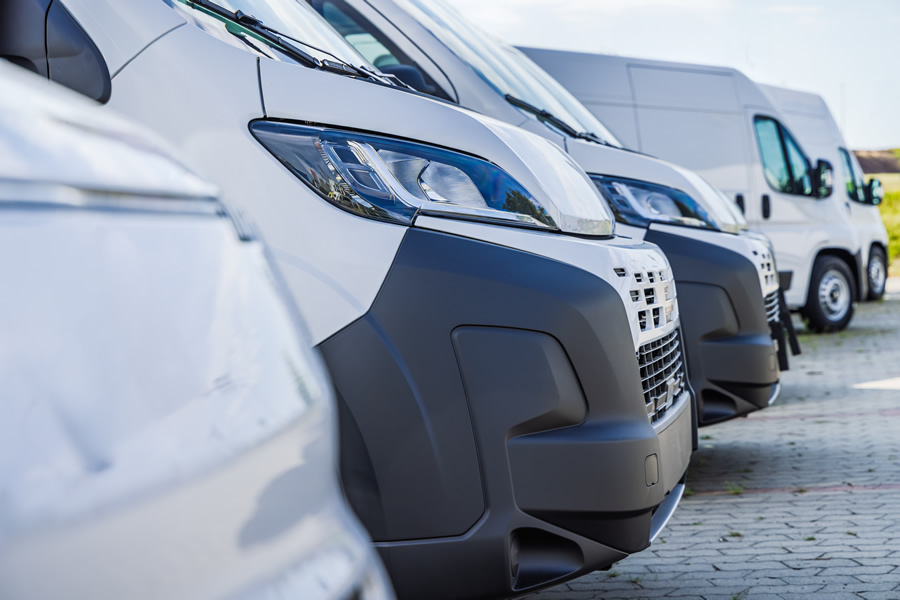
Vehicles play an important role in many businesses. Contractors travel between job sites, delivery drivers transport products, and service professionals rely on vans or trucks to reach their customers. When an accident occurs, the financial consequences can extend well beyond vehicle repairs.
TL;DR: Commercial auto insurance helps protect businesses that use vehicles for work, from a single service van to an entire fleet. Coverage can include liability protection, vehicle damage, and other risks that personal auto insurance may not cover. Understanding how vehicles are used, who drives them, and which coverage options are available can help business owners avoid costly gaps.
Commercial auto insurance is designed to address many of the risks associated with using vehicles for business purposes. However, coverage needs vary depending on the type of business, the vehicles involved, and how they are used. Understanding these differences can help business owners choose protection that supports their operations without paying for coverage they don’t need.
What Is Commercial Auto Insurance?
Commercial auto insurance provides coverage for vehicles used in business operations. Depending on the policy, it can help pay for injuries, property damage, vehicle repairs, and certain other expenses resulting from covered accidents. Policies may be written for individual vehicles or multiple vehicles owned or used by a business. Unlike personal auto insurance, commercial policies are designed to account for business-related driving risks, including frequent travel, transporting equipment or products, multiple drivers, and vehicles with specialized uses.
Coverage terms, limits, and eligibility depend on the insurance company and the nature of the business. A small landscaping company with two pickup trucks, for example, may have different insurance needs than a business operating delivery vans across several states. Both may need commercial auto coverage, but their policies could differ considerably based on how the vehicles are used and the risks involved.
When Does a Business Need Commercial Auto Insurance?
Businesses should evaluate commercial auto insurance whenever vehicles are regularly used for work. This includes vehicles owned or leased by the company, as well as certain situations involving employees who use their personal vehicles for business activities. Common examples include contractors traveling between job sites, plumbers and electricians transporting tools, businesses making deliveries, and companies using vehicles to visit customers. Restaurants offering delivery services and businesses transporting inventory may also have commercial auto exposures.
However, not every work-related trip automatically requires a commercial policy. Driving to and from a regular workplace is generally considered commuting, while other business activities may fall outside the permitted use of a personal auto policy. The distinction depends on the circumstances and the insurance company’s rules. Business owners should discuss how their vehicles are used with an insurance agent rather than assuming their personal auto coverage will apply.
Commercial Auto Insurance vs. Personal Auto Insurance
One of the most important differences between commercial and personal auto insurance is the intended use of the vehicle. Personal auto policies are generally designed for individual and household driving activities. They may restrict or exclude certain business uses, particularly activities involving deliveries, transporting goods for compensation, or operating vehicles primarily for commercial purposes. Commercial auto insurance, on the other hand, is structured around business operations and may accommodate multiple employees driving insured vehicles. It can also provide liability limits and coverage options appropriate for the risks associated with commercial driving.
For example, a contractor who uses a pickup truck to transport equipment and travel between job sites should not assume a personal auto policy provides sufficient protection. Similarly, a business owner who occasionally sends an employee to make deliveries should verify whether that activity is covered. The vehicle’s registration, ownership, drivers, and actual use all matter when determining the appropriate type of insurance.
Understanding Commercial Auto Liability Coverage
Liability coverage is a central component of commercial auto insurance. If a covered driver causes an accident while operating an insured business vehicle, liability insurance can help pay for injuries or property damage for which the insured business or driver is legally responsible. Bodily injury liability may help cover another person’s medical expenses, lost income, and certain legal costs arising from a covered accident. Property damage liability addresses damage to another person’s vehicle or other property, subject to policy terms and limits.
Consider a delivery van that strikes another vehicle at an intersection. The resulting expenses could include medical treatment, vehicle repairs, and legal claims. Without appropriate liability coverage, the business could face substantial out-of-pocket costs. State requirements establish minimum insurance obligations, but those minimums may not adequately address every business’s potential exposure. An insurance agent can help business owners evaluate liability limits based on their operations, vehicle use, and financial risks.
Collision and Comprehensive Coverage for Business Vehicles
Liability insurance generally does not pay to repair damage to the insured business’s own vehicle. Collision and comprehensive coverage address different types of physical damage and can be valuable for businesses that depend on their vehicles every day. Collision coverage generally helps pay for damage to an insured vehicle resulting from a collision with another vehicle or object, regardless of fault, subject to the policy’s terms and deductible. This might include a company truck striking a guardrail or being damaged in a covered traffic accident.
Comprehensive coverage generally applies to certain non-collision losses, such as theft, vandalism, fire, falling objects, and some weather-related damage. A work van damaged by hail or stolen from a parking lot may qualify for protection under comprehensive coverage, depending on the circumstances. Businesses financing or leasing vehicles may be required to maintain physical damage coverage. Even when it isn’t required, owners should consider whether they could afford to repair or replace a vehicle without insurance assistance.
Uninsured and Underinsured Motorist Coverage
Not every driver on the road carries sufficient insurance. If a business vehicle is involved in an accident caused by an uninsured driver, or someone whose coverage is inadequate, the resulting expenses can create additional financial challenges.
Uninsured and underinsured motorist coverage may help address certain injuries or losses, depending on state law and the policy’s provisions. Coverage availability, requirements, and whether property damage is included vary by state. For businesses with employees who spend considerable time driving, this protection deserves attention. An accident can affect not only the vehicle but also an employee’s ability to work. Business owners should review the coverage available in their state and understand how it works alongside other applicable insurance.
Medical Payments and Personal Injury Protection
Commercial auto policies may also include medical payments coverage or personal injury protection, commonly called PIP. These coverages can help address certain expenses following a covered accident, although their availability and benefits differ. Medical payments coverage generally helps pay eligible medical expenses for covered individuals, regardless of who caused the accident. PIP may provide broader benefits in some states, potentially including certain lost wages or other qualifying expenses.
Requirements vary significantly across states, particularly where no-fault insurance laws apply. Businesses operating vehicles in multiple states should review their policies with an insurance agent to ensure their coverage reflects applicable requirements.
What Is Hired and Non-Owned Auto Insurance?
Not every vehicle used for business belongs to the company. Employees may drive their own cars to visit customers or run business errands, while companies may rent vehicles for temporary projects. Hired auto liability coverage generally addresses certain liability risks involving rented, leased, or borrowed vehicles. Non-owned auto liability coverage can help protect a business against claims arising from employees or others using vehicles the company doesn’t own.
For example, if an employee causes an accident while driving their personal car for work, their personal insurance may respond first, but the business could also face a liability claim. Non-owned auto coverage may provide additional protection, depending on the policy. However, hired and non-owned auto liability coverage does not automatically cover physical damage to those vehicles. An insurance agent can help clarify available options.
Does Commercial Auto Insurance Cover Tools and Equipment?
Many businesses transport valuable tools, equipment, materials, or products in their vehicles. However, commercial auto insurance generally focuses on the vehicle itself and covered auto-related liabilities. It should not be assumed to cover everything stored or transported inside. For example, if a contractor’s van is stolen, comprehensive coverage may help address the loss of the insured vehicle, but the tools and equipment inside may require separate protection through an inland marine policy, contractors’ equipment coverage, or another appropriate commercial insurance product.
Similarly, businesses transporting inventory or customers’ property may need specialized coverage for goods in transit. The appropriate policy depends on what is being transported, who owns it, and the nature of the business. Reviewing these exposures with an insurance agent can help identify potential coverage gaps and prevent unexpected expenses after a theft, accident, or other loss.
How Much Does Commercial Auto Insurance Cost?
Commercial auto insurance premiums depend on several factors, and businesses with similar vehicles may receive different quotes. Insurance companies evaluate the risks associated with the business, its drivers, and its operations. Vehicle type and value are important considerations, as a small service van may present different risks than a heavy truck or specialized vehicle. The number of vehicles, their primary locations, annual mileage, and typical driving distances can also influence premiums.
Insurers may also review driving histories, prior claims, business activities, coverage limits, and deductibles. Businesses that regularly operate in congested areas or travel long distances may have different exposures than those serving a limited local area. Because underwriting practices vary, comparing policies involves more than looking at the monthly or annual premium. Business owners should also review coverage limits, exclusions, deductibles, and the types of vehicles and drivers included.
Ways Businesses May Reduce Commercial Auto Insurance Costs
Businesses can take several steps to manage commercial auto insurance costs. Maintaining safe driving practices, reviewing driver records, and providing regular training may help reduce accidents and potentially qualify for discounts. Keeping vehicle classifications and policy information current can also prevent unnecessary coverage expenses.
Choosing higher deductibles may lower premiums, but businesses should consider what they can afford after a claim. Bundling commercial auto insurance with other business policies may also provide savings, depending on the carrier. An insurance agent can help compare options without sacrificing important coverage.
Common Commercial Auto Insurance Mistakes to Avoid
One common mistake is assuming that a personal auto policy covers every business-related activity. Even personally owned vehicles may need additional protection when used for work. Another mistake is failing to update coverage as operations change. Adding vehicles, hiring drivers, expanding delivery services, or entering new service areas can affect a business’s insurance needs.
Business owners should also avoid choosing liability limits based solely on state minimums, which may not provide adequate protection after a serious accident. Reviewing coverage annually and whenever significant changes occur can help identify gaps and ensure policies continue to reflect the business’s operations.
Find Commercial Auto Insurance That Fits Your Business
Commercial auto insurance helps protect businesses that rely on vehicles, whether it’s a single work truck or an entire fleet. The team at diMonda Insurance helps customers across our service areas explore coverage options suited to their vehicles, drivers, and business needs. Contact us to discuss commercial auto insurance for your business.
